Chameau (Le Morne)
- Ideale perWave, Shortboard
- LivelloIntermedio a Avanzato
- Tipo di spotOnde medie, Oceano, Basso, Misto
- AffollamentoPieno
Queste informazioni sullo spot sono assistite dall'AI e non sono state verificate da una persona. Potrebbero essere incomplete, obsolete o imprecise. Verifica sicurezza, accesso, regole locali e condizioni attuali con fonti ufficiali o locali prima di andare in acqua.
Le informazioni localizzate sullo spot sono in preparazione. Per ora stai vedendo i contenuti in inglese.
Info
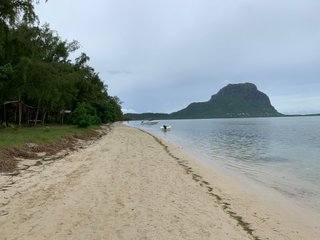
Chameau is an exposed reef break with consistently good waves during the winter season on Mauritius’ southwest coast. Surf quality is described as good, with the break working best at high tide and on the rising tide. The spot is accessed roughly about 1 km offshore, which contributes to the overall risk profile due to the distance plus shallow reef hazards. Wave conditions are tied to swell from the southwest (with optimal swell directions given as S and SW). The break is reef-based (sharp reef/coral heads and rocks), so conditions can become significantly more dangerous as tides and currents change. Wind is dominated by southeast trade winds (E, ESE, SE), often grooming the wave faces into cleaner conditions when winds align correctly; this also supports wave-style riding for surfers and wave-kitesurfing when conditions work. Safety is a key factor at Chameau. Reported hazards include sharks, strong currents, rips/pass currents, and sharp reef/coral sections. Several sources specifically warn that low tide is a bad idea on reef breaks in Mauritius, and the lineup can be challenging due to strong currents near reef passes and the possibility of getting pulled away from the break if you lose your gear. For clothing and preparation, sources describe warm water/weather all year round, with an extra layer commonly recommended during winter months: a thin neoprene/shorty or similar light winter suit is advised for the colder season. Localism is described as mild, and riders are encouraged to respect local surfers/kiters and follow standard water-priority practices. The overall rating from one database is 4.0, with another source reporting a higher overall rating; crowd can be busy when conditions are working.
- Exposed reef break with consistent right-hand waves (surf).
- Winter trade winds (E/ESE/SE) support kitesurfing June–October.
- High tide is favored; low tide increases reef impact risk.
- Crystal-clear water but strong currents/rip-pass hazards near the reef.
- Exposed, consistent reef-break surf and strong trade-wind conditions in winter.
- Clean, well-groomed faces when the southeast trades align offshore/cross-offshore.
- Crystal-clear water and high seasonal consistency (May–October/June–October for winds).
- Strong currents and sharp shallow reef hazards—especially near reef passes.
- Not for beginners: distance from shore and reef/coral risk.
- Expect limited rescue/lifeguard coverage; prepare for self-rescue and account for a long offshore access.
Vento, acqua e stagioni
Vento
- Direzione
- E, ESE, SE
- Direzioni offshore
- ESE, SE
- Intervallo del vento
- 15–25 kts
- Tipo di vento
- Aliseo — Prevailing southeast trade winds (Alizés) commonly onshore/cross-offshore depending on the exact setup.
- Affidabilità
- High during the winter trade wind season.
- Fattore raffiche
- Costante
- Mesi migliori
- Giugno, Luglio, Agosto, Settembre, Ottobre
- Misure kite consigliate
- 7–10 m²
Acqua e spiaggia
- Tipo d’acqua
- Onde medie, Oceano, Basso, Misto
- Spiaggia
- Reef
- Dimensione della spiaggia
- Medio
- Onde
- Piccolo — Also described as medium in other references.
- Decollo
- Grande — Offshore reef access; typically reached about 1 km offshore (often via boat or by kiting/paddling out).
- Difficoltà di decollo
- Moderato — Access described as long-distance/offshore; one source calls it expert-only depending on the approach.
Durante l’anno
Can be crowded when working; commonly busier in peak winter swell months.
Cyclone season runs from January to March.
Per sport
Cosa aspettarti per ognuno.
Trade-wind kitesurfing is possible with shallow to medium water over the reef and best conditions in June–October when winds from E, ESE, and SE are available.
- Misure kite
- 7–10 m²
Exposed reef break with consistent right-hand waves; best with southwest swells and east-southeast offshore winds, and typically works best at high tide on the rising tide.
- Direzione dell’onda
- Destra
- Swell ottimale
- S, SW
- Altezza swell
- 1–3 m
- Marea ottimale
- Alto — High tide is favored; best described as mid to high to avoid reef hazards.
- Riparo
- Esposto — Fully exposed reef break.
- Effetto del vento
- Southeast trades are cross-offshore, grooming wave faces.
- Swell più grande
- Holds size but becomes significantly more dangerous with heavy currents.
- Qualità dell’onda
- Buono — Ground swell cleanliness can be good when conditions work.
- Potenza dell’onda
- Potente
- Forma dell’onda
- Peeling — Also described as mixed in shape depending on conditions.
- Velocità di peeling
- Veloce
- Durata della sessione
- Medio — Consistent wall can produce longer sections when the swell is right.
- Lunghezza tipica della sessione
- 100–200 m
- Dettagli sulla lunghezza della sessione
- Provides a consistent wall that can offer long sections when the swell is right.
Controlla le previsioni prima di andare
Vedi vento, onde, meteo e finestre di sessione per Chameau (Le Morne) nella vista previsioni completa.
Riepilogo delle previsioni di vento e onde per Chameau (Le Morne)
- Vento
- 4–14 ktsRaffiche 26 kts
- Direzione
- ESE108°
- Giorno più forte
- dom 22 nov14 kts
- Giorni ventosi
- 3/712 kts o più
- Onde
- 1.0–1.5 mperiodo 10s
- Temperatura
- 23–30 °C
Nei prossimi 7 giorni, per Chameau (Le Morne) sono previsti venti diurni di 4–14 kts, con un picco intorno a 14 kts il domenica 22 novembre e raffiche fino a 26 kts. La direzione prevalente è ESE. Le onde saranno tra 1.0–1.5 m con un periodo di circa 10s. Basato sul modello Wavind, nell'ora locale dello spot.
Altri spot nella zona

Cosa sapere prima di uscire
Sicurezza, accesso, restrizioni, soccorso e regole locali possono cambiare. Considera questi dettagli come informativi e confermali localmente prima del decollo.
Pericoli
- Sharks
- strong currents
- sharp reef
- reefs
- corals
- rocks
- rips
- distance from shore
- shallow coral heads
- sharp reef sections
Soccorso e supporto
- Bagnino
- Nessuno
- Soccorso e auto-soccorso
- Limitato — Regionally, rescue availability is limited; private rescue boat services may be offered for a fee.
- Info di emergenza
- Rescue boats are sometimes available for a fee from nearby schools at Le Morne beach; rescue availability is limited.
- Localismo / vibe
- Mite — Local riders can be present in the lineup.
Regole dello spot
Take care of locals; standard water-priority rules apply; respect local surfers and kiters in the lineup.
- Not recommended for beginners due to the distance from land and reef hazards.
- Best surfed at mid to high tide to avoid hitting the reef.
- Watch for the 'pass' currents which can pull you out to sea if you lose your gear.
- Surfing low tide is a bad idea on reef breaks in Mauritius.
- Take care of locals and sharks, reef, and rips, and expect a long paddle/greater distance when accessing the break.
Come arrivare e accesso
- Città più vicina
- Port Louis
- Paese più vicino
- Le Morne
- Parcheggio
- Parking is available at the public beach at Le Morne.
- Accesso
- Access is about 1km offshore; can require a long paddle/boating approach to reach the reef break area.
- Lingua locale
- English, French, Creole/Mauritian Creole
Cosa trovi in spiaggia
- Alloggio
- Paese vicino — Luxury resorts and guesthouses are located in Le Morne and nearby in La Gaulette.
- Cibo e bevande
- Restaurants and beach bars are available on the mainland at Le Morne public beach.
- Noleggio attrezzatura:
- Equipment rental is available through major centers on the Le Morne peninsula; commonly used primarily in the lagoon.
- Deposito attrezzatura
- On-site storage is offered by some kite centers on the beach.
- Riparazione attrezzatura
- Repair services available in La Gaulette; some repairs available via local workshops/centers.
Per questo spot non sono ancora elencate scuole o servizi.
Fuori dall'acqua
A unique geological formation featuring sand dunes in seven distinct colors.
UNESCO World Heritage site symbolizing resistance of escaped slaves; challenging hike with panoramic views.
Hiking trails through native forests with viewpoints and waterfalls.
Popular hangout in La Gaulette for pizza and drinks after a session.
Safari tours, zip lines, and animal encounters suitable for children.
Da rider che sono stati qui
Ultime condizioni segnalate
Domande sullo spot
Domande frequenti
Qual è la stagione migliore a Chameau (Le Morne)?
I mesi migliori in assoluto a Chameau (Le Morne) sono Maggio, Giugno, Luglio, Agosto, Settembre, Ottobre, Novembre. I mesi migliori per il vento sono Giugno, Luglio, Agosto, Settembre, Ottobre.
Quali direzioni del vento funzionano a Chameau (Le Morne)?
Chameau (Le Morne) funziona con venti da E, ESE, SE. Le direzioni offshore sono ESE, SE.
Quali misure di attrezzatura sono consigliate a Chameau (Le Morne)?
Misure di attrezzatura consigliate a Chameau (Le Morne): Kitesurfing: 7–10 m². Il range tipico del vento è 15–25 kts.
Per quale livello è adatto Chameau (Le Morne)?
Chameau (Le Morne) è adatto a questi livelli di riding: Kitesurfing: Intermedio · Surfing: Intermedio a Avanzato.