De Panne
- Ideale perWave, Freeride
- LivelloIntermedio
- Tipo di spotChop, Misto
- AffollamentoPieno
Queste informazioni sullo spot sono assistite dall'AI e non sono state verificate da una persona. Potrebbero essere incomplete, obsolete o imprecise. Verifica sicurezza, accesso, regole locali e condizioni attuali con fonti ufficiali o locali prima di andare in acqua.
Le informazioni localizzate sullo spot sono in preparazione. Per ora stai vedendo i contenuti in inglese.
Info
 Vedi tutte 2
AnSans
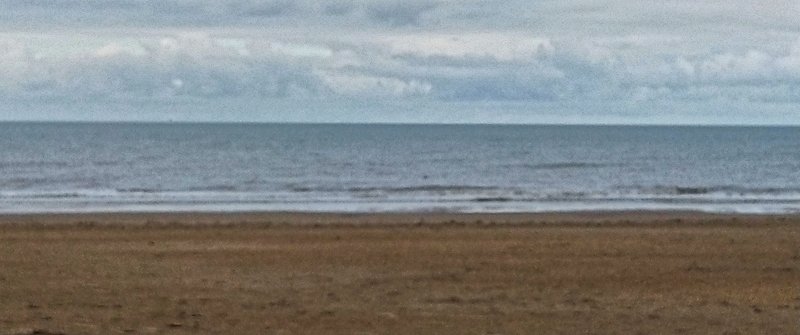
Zeezicht- de 3 strepen · AnSansCC BY-SA 4.0FonteRidimensionataDe Panne is a major Belgian Atlantic-front kitesurf destination with a wide tidal sandy beach and consistently wind-ready conditions in spring and autumn. The water is generally choppy, with cloudy water reported in spot databases; conditions also change notably with tide due to sandbanks and varying depth. For wind sports, the strongest recurring window is framed by frontal wind patterns and best months of March through May, plus September through November. Wind is typically reported within a range of roughly 10–28 knots across sources, and gustiness is described as moderate. In addition, the broader De Panne coastal region commonly develops a thermal sea breeze in the afternoon on warm sunny spring/summer days, often strengthening winds into the mid-teens up to about mid-20s knots. Safety is a central consideration. Strong currents are repeatedly noted, and the tidal shallows at low tide can make sections of the foreshore less forgiving. Wooden breakwaters/groynes (sometimes submerged at high tide) are specifically highlighted as a hazard for both kiting and surfing—so keeping distance from these structures and staying aware of changing depth is important. Summer can also bring strict zonation with swimmer zones and designated areas marked by signs and buoys. Kitesurfing is the best-matched activity overall, with freeride and wave/foil styles reported. Wingfoiling is considered foil-friendly, particularly when depth is sufficient (generally better at high tide), while surfing is described as wind-driven beach-break surf that can be mushy/soft, with average quality and shorter rides—generally more of a lighter-skill option compared to the core kitesurf scene.
- Very wide sandy beach that expands significantly at low tide
- Strong wind window from N through SW/WSW for kitesurfing
- Foil-friendly potential (especially with adequate depth at high tide)
- Coastal-region summer safety organization (lifeguards seasonally)
- Very wide sandy beach, especially at low tide
- Good wind direction window for kitesurfing (N to WSW including SW)
- Foil- and wave-ready potential with intermediate skill level fit
- Seasonal safety setup reported in the region
- Strong currents can make the water demanding
- Shallow sandbanks at low tide can limit safe launch/ride areas
- Wooden breakwaters/groynes can be hazardous—submerged at high tide
- Crowding risk in peak summer months with strict zonation
Vento, acqua e stagioni
Vento
- Direzione
- N, NNE, NE, SW, WSW, W
- Intervallo del vento
- 10–28 kts
- Tipo di vento
- Frontale — Frontal winds; also a mix of Atlantic-driven frontal conditions with local thermal effects in the broader region.
- Affidabilità
- good (frontal)
- Fattore raffiche
- Raffiche moderate
- Mesi migliori
- Marzo, Aprile, Maggio, Settembre, Ottobre, Novembre
- Misure kite consigliate
- 10–28 m²
Acqua e spiaggia
- Tipo d’acqua
- Chop, Misto
- Spiaggia
- Sabbia — Wide sandy beach/foreshore.
- Dimensione della spiaggia
- Maree
- Onde
- Piccolo — Spot databases describe small to medium wave activity; surfing-specific notes describe soft, mushy beach-break conditions.
- Livello di chop
- Chop moderato — Chop described as present; surf/chop can become messy with onshore wind.
- Decollo
- Grande — Large sandy foreshore with ample setup space, especially at low tide.
Durante l’anno
Very crowded with tourists in July and August; quiet and spacious in winter.
Autumn and winter (October to February) are peak periods for storms and higher precipitation.
Per sport
Cosa aspettarti per ognuno.
A strong all-around beach for freeride and wave riding. Conditions vary with tide: flats behind sandbanks at low tide and choppier, small-wave conditions at high tide. Best for strong SW wave conditions and a large low-tide foreshore; spring/autumn are highlighted.
- Misure kite
- 10–16 m²
Popular for bump and jump and wave sailing when wind has a northerly component.
- Misure vela
- 4.5–6.5 m²
Foil-friendly due to generally suitable conditions and deeper water at high tide. Mind tidal depth over sandbanks and obstacles (groynes).
- Adatto al foil
- Sì
Wind-driven Belgian beach-break waves; best on a mid-to-high incoming tide.
- Direzione dell’onda
- Entrambi
- Swell ottimale
- N, NW
- Altezza swell
- 0.5–1.5 m
- Marea ottimale
- Medio — Best described as mid-to-high incoming tide.
- Riparo
- Esposto
- Effetto del vento
- Onshore wind can create messy chop; cross-shore SW is cleaner.
- Swell più grande
- Tends to close out when swell exceeds 2 meters.
- Qualità dell’onda
- Discreto
- Potenza dell’onda
- Morbido
- Forma dell’onda
- Morbida
- Velocità di peeling
- Lento
- Durata della sessione
- Corto — Short wind-swell rides; can be fun with the right NW swell.
- Dettagli sulla lunghezza della sessione
- Short rides on wind swells.
Dallo spot
Controlla le previsioni prima di andare
Vedi vento, onde, meteo e finestre di sessione per De Panne nella vista previsioni completa.
Riepilogo delle previsioni di vento e onde per De Panne
- Vento
- 4–12 ktsRaffiche 21 kts
- Direzione
- ESE108°
- Giorno più forte
- dom 22 nov12 kts
- Giorni ventosi
- 1/712 kts o più
- Onde
- 0.4–1.2 mperiodo 5s
- Temperatura
- -1–9 °C
Nei prossimi 7 giorni, per De Panne sono previsti venti diurni di 4–12 kts, con un picco intorno a 12 kts il domenica 22 novembre e raffiche fino a 21 kts. La direzione prevalente è ESE. Le onde saranno tra 0.4–1.2 m con un periodo di circa 5s. Basato sul modello Wavind, nell'ora locale dello spot.
Altri spot nella zona

Horst J. Meuter
Belgium - Koksijde - Fishing boat in the evening · Horst J. MeuterCC BY-SA 4.0FonteRidimensionata
flamenc
Nieuwpoort - IJzermonding · flamencCC BY-SA 3.0FonteRidimensionata
TMbux
Beach - panoramio (112) · TMbuxCC BY-SA 3.0FonteRidimensionataCosa sapere prima di uscire
Sicurezza, accesso, restrizioni, soccorso e regole locali possono cambiare. Considera questi dettagli come informativi e confermali localmente prima del decollo.
Pericoli
- strong currents
- shallow water at low tide
- wooden breakwaters (groynes/staketsels) that can be submerged at high tide
- sandbanks at low tide
- large crowds in summer
Soccorso e supporto
- Bagnino
- Stagionale — Seasonal lifeguards reported for the spot/region.
- Soccorso e auto-soccorso
- Limitato — Spot-level sources describe rescue availability as limited, while the broader region reports an organized summer lifeguard setup.
- Info di emergenza
- In an emergency, contact 112. Nearest major hospital reported in Veurne (AZ West).
- Localismo / vibe
- Nessuno
Regole dello spot
Summer months can involve strict zonation with designated launch/sports areas marked by signs and buoys; avoid swimmer zones.
- Special zonation/seasonal launch-zone restrictions may apply (notably in July and August).
- No kiting in swimmer zones; sports are restricted to designated zones marked by signs and buoys.
- A special permit may be required (per one source).
- Check tide charts: the beach becomes much wider at low tide, but water may become too shallow.
- Keep a safe distance from wooden breakwaters (groynes/staketsels).
- Check whether kitesurfing is allowed for the day’s designated zones; summer restrictions may apply.
- Be careful with strong currents.
Come arrivare e accesso
- Città più vicina
- Dunkirk
- Paese più vicino
- De Panne
- Aeroporto più vicino
- Ostend-Bruges International Airport (OST), ~30 km away
- Parcheggio
- Good dune parking reported; paid parking along the Zeedijk and nearby streets can fill quickly in summer.
- Trasporti pubblici
- Belgian Coastal Tram (Kusttram); De Panne station has direct train links to Brussels and Ghent.
- Accesso
- Accessible via the E40 motorway; De Panne beach is about 30km from Ostend (about 20 minutes via motorway A18/E40).
- Livello costi
- Moderato
- Lingua locale
- Dutch
Cosa trovi in spiaggia
- Alloggio
- Vicino — Numerous hotels, apartments, and large campsites available within walking distance.
- Cibo e bevande
- Many restaurants and cafes on the main promenade (Zeedijk).
- Noleggio attrezzatura:
- Equipment rental available through local clubs/surf schools during the high season.
- Deposito attrezzatura
- Storage available for members through local clubs.
- Riparazione attrezzatura
- Minor repairs can often be handled via the local club or shops in nearby areas; major repairs may require travel to larger hubs.
Per questo spot non sono ancora elencate scuole o servizi.
Fuori dall'acqua
A premier family tourism destination blending nature reserves, historic architecture, and extensive recreational facilities.
Major theme park popular with families, featuring rides and attractions based on Studio 100 characters.
Vast dune landscape with hiking trails and coastal ecosystem views.
Protected historic neighborhood known for late-19th-century cottage-style architecture.
Vast dune landscape with extensive hiking trails and coastal ecosystem views.
A seaside promenade lined with brasseries, seafood restaurants, and cafes.
Themed indoor and outdoor water park adjacent to Plopsaland.
Da rider che sono stati qui
Ultime condizioni segnalate
Domande sullo spot
Domande frequenti
Qual è la stagione migliore a De Panne?
I mesi migliori in assoluto a De Panne sono Aprile, Maggio, Giugno, Luglio, Agosto, Settembre, Ottobre. I mesi migliori per il vento sono Marzo, Aprile, Maggio, Settembre, Ottobre, Novembre.
Quali direzioni del vento funzionano a De Panne?
De Panne funziona con venti da N, NNE, NE, SW, WSW, W.
Quali misure di attrezzatura sono consigliate a De Panne?
Misure di attrezzatura consigliate a De Panne: Kitesurfing: 10–16 m² · Windsurfing: 4.5–6.5 m². Il range tipico del vento è 10–28 kts.
Per quale livello è adatto De Panne?
De Panne è adatto a questi livelli di riding: Kitesurfing: Intermedio · Windsurfing: Intermedio · Wing foiling: Intermedio · Surfing: Principiante.