Kamakura
- Ideale perShortboard, Longboard
- LivelloPrincipiante
- Tipo di spotPiatto
- AffollamentoAffollato
Queste informazioni sullo spot sono assistite dall'AI e non sono state verificate da una persona. Potrebbero essere incomplete, obsolete o imprecise. Verifica sicurezza, accesso, regole locali e condizioni attuali con fonti ufficiali o locali prima di andare in acqua.
Le informazioni localizzate sullo spot sono in preparazione. Per ora stai vedendo i contenuti in inglese.
Info
 Vedi tutte 2
paraisotaka
Yuigahama surfers · paraisotakaCC BY-SA 3.0FonteRidimensionataKamakura is a busy, exposed sandy beach break area best known for surfing that often favors beginners and longboarders. Most days the waves are reported as small and mellow (commonly knee-to-chest high) with lefts and rights available, though wave quality can vary day to day. For surfing, offshore north winds are described as the cleanest condition. One dataset emphasizes that offshore winds from the north blow through the area and that the spot can have unreliable waves, while another describes onshore from the south creating chop—so conditions are highly dependent on wind direction. Autumn is highlighted as a prime period because typhoon-related swell can add power and produce more hollow, more capable surf. However, the spot’s large-swell behavior is mixed across datasets: it can generate overhead-plus surf and also may close out when swells exceed roughly 2.5 meters. When the surf is up, expect crowding and increased collision risk. Summer brings major access and services, but it also brings strict swim-zone and time zoning (commonly restricting riding between late morning and mid-afternoon). Because swimmers are present and crowds are intense, it’s critical to follow the posted zones, arrive early if surfing is allowed, and plan for limited rescue coverage outside peak summer periods.
- Beginner-friendly beach break feel on many days
- North/offshore wind can groom waves
- Typhoon season can upgrade to more powerful surf
- Beginner-friendly beach break character on many days (knee-to-chest high, mellow waves)
- Offshore north wind can groom conditions for surfing
- Iconic local surf/watersports hub with broad instruction and rental availability
- Waves can be unreliable and often mushy/soft on typical days
- Extremely high crowds on weekends and during July and August
- Strict summer zoning can significantly limit when you can ride
Vento, acqua e stagioni
Vento
- Direzione
- N
- Direzioni offshore
- N
- Intervallo del vento
- 10–20 kts
- Tipo di vento
- Aliseo — North to north-northerly winds are described as offshore for surfing at this spot.
- Affidabilità
- low-inconsistent
- Fattore raffiche
- Costante — Steady conditions reported for wind.
- Mesi migliori
- Settembre, Ottobre, Novembre
- Finestra termica
- Altro · Pomeriggio · Dir: S, SSE, SE · A separate dataset describes consistent spring/summer afternoon thermal sea breezes (about 1:00 PM–5:00 PM). This conflicts with the spot-level ‘trade’ description, so treat thermal/sea-breeze timing as conditional.
Acqua e spiaggia
- Tipo d’acqua
- Piatto
- Spiaggia
- Sabbia — Sandy beach.
- Dimensione della spiaggia
- Grande
- Onde
- Piccolo — Small surf is commonly reported; more powerful waves possible during typhoon events.
- Livello di chop
- Described as mushy/soft for most conditions; south/onshore wind can create chop.
- Decollo
- Grande — Wide sandy beach with ample space except during peak summer bathing hours.
Durante l’anno
Extremely high on weekends and throughout July and August.
Rainy season in June and July; typhoon season from August to October can bring larger swell and stronger wind.
Per sport
Cosa aspettarti per ognuno.
Described as suitable mainly in the off-season when swimmers are not present; best with southerly winds.
- Misure kite
- 10–14 m²
Described as a major hub for windsurfing in Japan with many clubs; good for learning and freeriding.
- Misure vela
- 5.5–7.5 m²
Very popular due to the sandy bottom and relatively flat water inside the bay.
- Adatto al foil
- Sì — Foil friendly on described conditions.
- Profondità minima
- 1.2 meters once away from the shore
- Misure wing
- 4–6 m²
Exposed beach break with unreliable waves. Lefts and rights are available. Most days are knee to chest high and mellow, which suits longboarding and beginners; during typhoon season the spot can produce more powerful waves.
- Direzione dell’onda
- Entrambi
- Swell ottimale
- S, SE
- Altezza swell
- 0.5–2 m
- Marea ottimale
- Tutte le maree
- Riparo
- Esposto — Open/exposed beach break.
- Effetto del vento
- North/offshore wind gives cleanest conditions; south/onshore wind can create chop.
- Swell più grande
- Holds size and can generate stronger overhead-plus surf during typhoon events, but can also close out when swells exceed about 2.5 meters (dataset conflict—both are kept).
- Qualità dell’onda
- Buono — Wave quality described as good/average depending on dataset; generally mellow and more consistent when the surf is up.
- Potenza dell’onda
- Morbido — Typically gentle/soft waves, with stronger surf during typhoons.
- Forma dell’onda
- Morbida — Waves described as mushy on most days; improve into more powerful surf during typhoon swells.
- Velocità di peeling
- Lento — Mellow pacing is commonly reported.
- Durata della sessione
- Corto — Typical rides are described as short; one source gives an estimated 30–50 m.
- Lunghezza tipica della sessione
- 30–50 m
- Dettagli sulla lunghezza della sessione
- Typical rides can be 30–50 meters; waves are often mushy and short, becoming better and more hollow during typhoon swells.
Dallo spot
Controlla le previsioni prima di andare
Vedi vento, onde, meteo e finestre di sessione per Kamakura nella vista previsioni completa.
Riepilogo delle previsioni di vento e onde per Kamakura
- Vento
- 1–19 ktsRaffiche 38 kts
- Direzione
- WSW252°
- Giorno più forte
- mar 24 nov19 kts
- Giorni ventosi
- 1/712 kts o più
- Onde
- 0.2–2.7 mperiodo 6s
- Temperatura
- 5–18 °C
Nei prossimi 7 giorni, per Kamakura sono previsti venti diurni di 1–19 kts, con un picco intorno a 19 kts il martedì 24 novembre e raffiche fino a 38 kts. La direzione prevalente è WSW. Le onde saranno tra 0.2–2.7 m con un periodo di circa 6s. Basato sul modello Wavind, nell'ora locale dello spot.
Altri spot nella zona
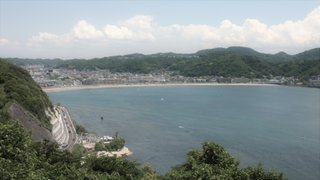
Quercus acuta
Osaki Park(Zushi) 05 · Quercus acutaCC BY-SA 4.0FonteRidimensionataCosa sapere prima di uscire
Sicurezza, accesso, restrizioni, soccorso e regole locali possono cambiare. Considera questi dettagli come informativi e confermali localmente prima del decollo.
Pericoli
- crowds
- collision risk with other surfers
- swimmers in summer
- offshore winds in winter
- restricted swimming zones
- occasional driftwood
- rips can become stronger during typhoon swells
Soccorso e supporto
- Bagnino
- Stagionale — Seasonal lifeguard presence is described; rescue is generally limited outside the official summer season.
- Soccorso e auto-soccorso
- Limitato — Rescue availability is described as limited; professional lifeguard coverage is noted to be seasonal (July–August).
- Info di emergenza
- Kamakura City Hospital is the nearest major medical facility. Universal emergency numbers: 119 for fire/ambulance; 118 for maritime emergencies.
- Localismo / vibe
- Mite — Reported mild localism.
Regole dello spot
Strict zoning during July and August with surfing/wind-sports restricted to specific areas or times (commonly prohibited between 9 AM and 5 PM) to protect swimmers.
- No surfing in swim zones during summer daytime.
- Surfing and other wind-sports are restricted to specific areas or times during July and August.
- Arrive at sunrise in summer to surf before swimming restrictions kick in.
- Best conditions for beginners are often during summer and autumn; autumn can bring more powerful waves.
- Be respectful of the many surf schools operating in the area.
Come arrivare e accesso
- Città più vicina
- Tokyo
- Paese più vicino
- Kamakura
- Parcheggio
- Numerous paid parking lots nearby, but they are very expensive and fill up early on weekends.
- Trasporti pubblici
- Excellent rail access via Enoden and other rail lines connecting to Tokyo.
- Accesso
- Extremely accessible via the Enoden train line from Kamakura or Fujisawa stations; walk to the beach in about 5 minutes.
- Livello costi
- Moderato
- Lingua locale
- Japanese
Cosa trovi in spiaggia
- Alloggio
- Paese vicino — Plenty of guest houses, hostels, and hotels within walking distance of the beach.
- Cibo e bevande
- Numerous beach shacks (Umi-no-ie) in summer and trendy cafes year-round.
- Noleggio attrezzatura:
- Equipment rental widely available for surfing, windsurfing, and SUP along the beachfront.
- Deposito attrezzatura
- Many local clubs offer seasonal or monthly gear storage lockers.
- Riparazione attrezzatura
- Several local surf and windsurf shops provide minor ding repairs.
Per questo spot non sono ancora elencate scuole o servizi.
Da rider che sono stati qui
Ultime condizioni segnalate
Domande sullo spot
Domande frequenti
Qual è la stagione migliore a Kamakura?
I mesi migliori in assoluto a Kamakura sono Ottobre. I mesi migliori per il vento sono Settembre, Ottobre, Novembre.
Quali direzioni del vento funzionano a Kamakura?
Kamakura funziona con venti da N. Le direzioni offshore sono N.
Quali misure di attrezzatura sono consigliate a Kamakura?
Misure di attrezzatura consigliate a Kamakura: Kitesurfing: 10–14 m² · Windsurfing: 5.5–7.5 m² · Wing foiling: 4–6 m². Il range tipico del vento è 10–20 kts.
Per quale livello è adatto Kamakura?
Kamakura è adatto a questi livelli di riding: Kitesurfing: Intermedio · Windsurfing: Principiante · Wing foiling: Principiante · Surfing: Principiante.