San Juan (Famara)
- Ideale perRider esperti
- LivelloIntermedio a Avanzato
- Tipo di spotOceano
- AffollamentoModerato
Queste informazioni sullo spot sono assistite dall'AI e non sono state verificate da una persona. Potrebbero essere incomplete, obsolete o imprecise. Verifica sicurezza, accesso, regole locali e condizioni attuali con fonti ufficiali o locali prima di andare in acqua.
Le informazioni localizzate sullo spot sono in preparazione. Per ora stai vedendo i contenuti in inglese.
Info
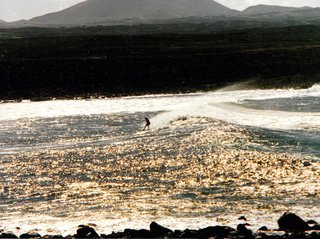
San Juan (Famara) is an exposed left-hand reef break known for fast, powerful, hollow sections. It’s described as a regional classic/high-performance wave that can deliver barrel potential, with ride lengths commonly ranging from about 50–150 m normally and extending to roughly 150–300 m on good days. The wave is reef-based with a rocky bottom and hazards that include sharp volcanic reef/rocks and coral-like sharp features, with rips and strong currents reported during bigger conditions. Entry and exit require extra care because of the shallow-to-mid depth over reef and the possibility of strong rip currents on large swells. Wind conditions are referenced as best when aligned with S–SE–E, where offshore flow helps groom cleaner, hollow sections. The spot is described as working most consistently between September and May, with low to mid tide generally preferred; high tide can reduce or change the shape of the wave. Lineup access and etiquette matter: localism is reported as heavy, with priority enforced by local surfers. If you’re going out, plan around low-to-mid tide, scout the safest routes for entry/exit, and be prepared for intense navigation around the lineup and reef hazards.
- Hollow, fast left reef wave with barrel potential
- Normal ride lengths 50–150 m; good days 150–300 m
- Best season September to May with offshore S–SE–E winds and low tide preference
- Fast, powerful left reef wave with hollow sections.
- High wave quality described as a regional classic (and world-class).
- Works best seasonally from September to May with low-tide preference.
- Reef hazards and sharp volcanic rock; strong rips/currents possible.
- Not suitable for beginners.
- Heavy localism and priority rules may be strictly enforced.
Vento, acqua e stagioni
Vento
- Direzione
- S, SSE, E
- Direzioni offshore
- S, SSE, E
- Intervallo del vento
- 5–15 kts
- Tipo di vento
- Termico — Thermal winds are referenced for San Juan (Famara), with offshore grooming when aligned with S–SE–E.
- Affidabilità
- consistent
- Fattore raffiche
- Costante — Steady gust character is reported.
- Mesi migliori
- Settembre, Ottobre, Novembre, Dicembre, Gennaio, Febbraio, Marzo, Aprile, Maggio
- Zone d’ombra
- Can be sheltered by the nearby cliffs under certain angles.
Acqua e spiaggia
- Tipo d’acqua
- Oceano
- Spiaggia
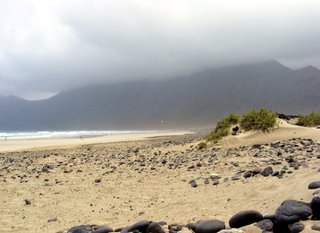
- Sabbia — Conflicting descriptions exist: one source describes sand composition; another describes rocks/small launch area at the reef.
- Dimensione della spiaggia
- Piccolo
- Onde
- Grande — Swell working window is described as about 1.0–3.0 m; reef waves can get big.
- Decollo
- Piccolo — Rocky entry requiring careful timing between sets.
- Difficoltà di decollo
- Difficile — Rocky, hazardous entry with careful timing required.
Durante l’anno
Weekdays: few surfers; weekends: crowded. Less crowded than the main beach when swell is big.
Rain is rare; most likely between December and February. Summer tends to be mostly flat.
Per sport
Cosa aspettarti per ognuno.
Exposed reef break with a fast, powerful left that can barrel; often described as a regional classic and a high-performance wall.
- Direzione dell’onda
- Sinistra
- Swell ottimale
- S, SSW, SW, W
- Altezza swell
- 1–3 m
- Marea ottimale
- Basso — Low tide is consistently referenced; low to mid tide is often preferred.
- Riparo
- Esposto — Described as exposed; wind-shelter is limited and depends on angles relative to nearby cliffs.
- Effetto del vento
- Offshore winds from the S–SE–E direction groom the wave into cleaner, hollow sections.
- Swell più grande
- Holds size well and becomes increasingly hollow/heavy as swell increases; can be less crowded than the main beach when big.
- Qualità dell’onda
- Ottimo — Regional Classic; also described as world-class.
- Potenza dell’onda
- Potente — Fast and powerful, described as hollow/high-performance.
- Forma dell’onda
- Cava — Hollow sections are specifically noted.
- Velocità di peeling
- Veloce — Fast peeling sections.
- Durata della sessione
- Medio — Normal rides are reported at 50–150 m, with good days extending to 150–300 m.
- Lunghezza tipica della sessione
- 50–300 m
- Dettagli sulla lunghezza della sessione
- Normal: 50–150 m; good day: 150–300 m.
Controlla le previsioni prima di andare
Vedi vento, onde, meteo e finestre di sessione per San Juan (Famara) nella vista previsioni completa.
Riepilogo delle previsioni di vento e onde per San Juan (Famara)
- Vento
- 2–17 ktsRaffiche 23 kts
- Direzione
- NE36°
- Giorno più forte
- mer 25 nov17 kts
- Giorni ventosi
- 4/712 kts o più
- Onde
- 0.8–1.7 mperiodo 9s
- Temperatura
- 20–25 °C
Nei prossimi 7 giorni, per San Juan (Famara) sono previsti venti diurni di 2–17 kts, con un picco intorno a 17 kts il mercoledì 25 novembre e raffiche fino a 23 kts. La direzione prevalente è NE. Le onde saranno tra 0.8–1.7 m con un periodo di circa 9s. Basato sul modello Wavind, nell'ora locale dello spot.
Altri spot nella zona
Cosa sapere prima di uscire
Sicurezza, accesso, restrizioni, soccorso e regole locali possono cambiare. Considera questi dettagli come informativi e confermali localmente prima del decollo.
Pericoli
- rocks
- sharp coral
- rips
- currents
- sharp volcanic reef
- submerged rocks
- localism
Soccorso e supporto
- Bagnino
- Nessuno — No lifeguards are reported for this spot.
- Soccorso e auto-soccorso
- No — Rescue availability is reported as none.
- Info di emergenza
- Emergency number 112; nearest major hospital is in Arrecife.
- Localismo / vibe
- Forte — Local priority is described as strictly enforced.
Regole dello spot
Be aware of locals and respect the spot; priority is strictly enforced by local surfers.
- Localism: avoid cutting the lineup; follow priority rules.
- Expect rips/currents and sharp reef hazards.
- Not recommended for beginners.
- Watch out for the rock-sand bottom and rips.
- Wait for your turn in the lineup as localism can be intense.
- Check the entry and exit points carefully before heading out.
- Best surfed at low to mid tide; high tide can change the wave.
Come arrivare e accesso
- Città più vicina
- Caleta de Famara
- Paese più vicino
- Caleta de Famara
- Parcheggio
- Dusty carpark near low dunes; parking is described as easy to find along the beach area.
- Accesso
- Located about 800 meters past the end of Famara village; reached via a dirt track from Caleta de Famara. Drive west out of Famara town on Av. del Marinero to a dusty carpark near low dunes, then walk to the beach along a short track.
- Livello costi
- Moderato
- Lingua locale
- Spanish
Cosa trovi in spiaggia
- Alloggio
- Vicino — Surf camps and apartments are available in Caleta de Famara.
- Cibo e bevande
- No facilities at the spot; restaurants and bars are in Caleta de Famara.
- Noleggio attrezzatura:
- Equipment rental is available in surf shops within Caleta de Famara.
- Riparazione attrezzatura
- Available at local surf shops in the village.
Per questo spot non sono ancora elencate scuole o servizi.
Da rider che sono stati qui
Ultime condizioni segnalate
Domande sullo spot
Domande frequenti
Qual è la stagione migliore a San Juan (Famara)?
I mesi migliori in assoluto a San Juan (Famara) sono Settembre, Ottobre, Novembre, Dicembre, Gennaio, Febbraio, Marzo, Aprile, Maggio.
Quali direzioni del vento funzionano a San Juan (Famara)?
San Juan (Famara) funziona con venti da S, SSE, E. Le direzioni offshore sono S, SSE, E.
Per quale livello è adatto San Juan (Famara)?
San Juan (Famara) è adatto a questi livelli di riding: Surfing: Intermedio a Avanzato.